Steel framing / Fire resilient
Steel does not burn.
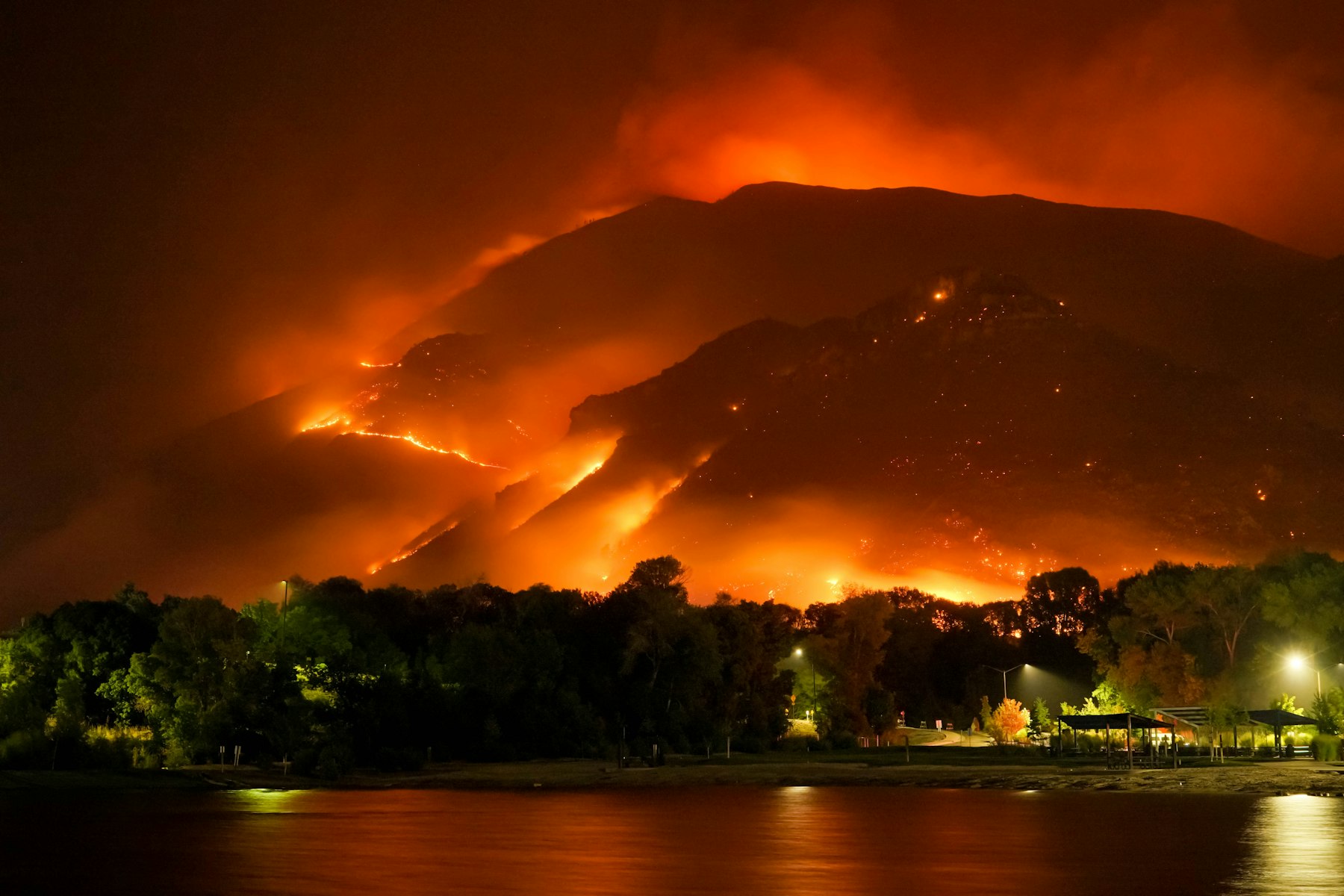
Cold-formed steel is non-combustible by nature. It will not ignite, carry flame, or add fuel to a fire. In California wildfire country, that is not just a feature—it is the foundation of a resilient frame.
Wood is fire fuel...steel is not
According to industry estimates, the wood framing in a typical 3,000-square-foot home contains the equivalent fuel value of approximately 2,500 gallons of gasoline. Imagine that much fuel within the walls of your house. As a result, urban fires can quickly grow out of control, spreading from one home to the next. Cold-formed steel is non-combustible by nature. It carries no flammable content, so it cannot ignite, burn, or feed a fire from within the wall. When embers land and heat climbs, the frame that holds the house up is the one thing in the assembly that will not become fuel. That is the difference between a structure that is resilient and one that is lost.
Built for the wildland-urban interface
In California WUI zones, homes are built to Chapter 7A of the building code. The standard is written around one idea: keep ignition out. A non-combustible frame answers that at the structural level, not just the surface. Steel gives us a starting point that already refuses to burn, which lets the rest of the assembly do its job under fire and ember exposure.
Resilience you can measure
Fire resilience is not a finish or a coating that ages out. It is a property of the material itself, and it does not fade with time. For owners rebuilding after a fire, and for anyone building in a high-risk zone, that permanence is what carries through insurance review, code, and the next fire season. The frame you cannot burn is the frame you build once.
In short
In a wildfire zone, the smartest thing a frame can do is refuse to burn.
Start a conversation
Let's measure, design, and build it, precisely.
Tell us about your project: a set of plans, a home, or a steel structure. We'll show you what digital precision looks like.
Get a quote- Studio
- 1815 W 205th Street, Suite 201
Torrance, CA 90501 - Direct
- (310) 937-8111
- Hours
- Monday to Friday
9:00 a.m. to 5:00 p.m. - Service area
- South Bay & the Beach Cities, Greater Los Angeles